
The Importance of Sub-Soil Drainage for Mine Stability
Image: supplied
Effective mine-site management depends on the behavior of the ground itself, which shifts and reacts as water moves through it. Sub-soil drainage becomes essential here because it shapes how the earth carries weight, handles pressure and responds to ongoing operations.
When water is controlled, the site holds steady. When the water isn’t effectively controlled, even small pockets of moisture can undermine foundations and spark larger failures.
Water moves through soil, filling voids and loosening bonds while reducing the strength of surrounding material. In a mining environment where heavy machinery operates daily and slopes are cut steeply to access ore, that weakening effect can escalate quickly.
Excess moisture raises pore water pressure, making soil behave less like a stable structure and more like a shifting mass. The result is reduced load-bearing capacity along with a higher risk of slips, collapses or surface deformation.
Sub-soil drainage helps redirect that water before it builds momentum. By lowering groundwater levels, drainage systems restore friction and soil cohesion, creating a base that can support ongoing operations while withstanding weather stressors and seismic activity.
Every mine relies on stable slopes, haul roads and infrastructure foundations. When the ground becomes saturated, these structures face far greater strain.
A haul road that carries hundreds of tons can begin to rut or slump once groundwater rises, while a pit wall can shed material if water pushes into fractures.
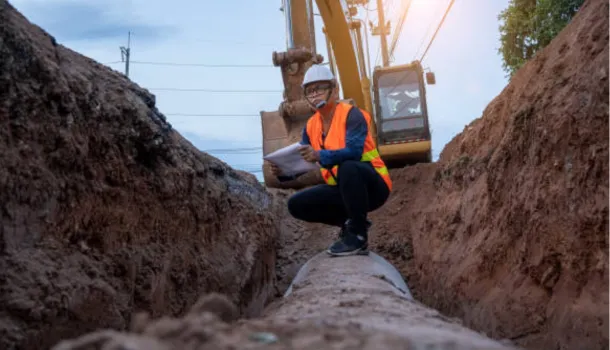
Sub-soil drainage counters this by relieving pressure from beneath. Horizontal drains, toe drains and trench systems act as escape routes for trapped water, which extends the lifespan of roads and stabilizes cut slopes.
It also reduces the likelihood of differential settlement under buildings or processing plants, helping critical structures remain level while boosting safety for teams working around them.
Mine-site stability also shapes environmental performance. Poor drainage can trigger erosion, contaminate runoff or mobilize sediments that affect nearby ecosystems. By directing water through controlled pathways, sub-soil drainage keeps runoff cleaner while reducing the flow velocity that would otherwise scour exposed areas.
It also helps mines manage stormwater more effectively. Sudden rainfall can overwhelm open surfaces while saturating sub-soil layers.
A well-designed drainage network absorbs this shock, giving safe passage through channels or sumps instead of letting it pool around equipment or seep into sensitive ground zones.
Reliable drainage safeguards the people who work on site. When soil behaves predictably, teams can operate machinery confidently while geotechnical specialists monitor conditions and avoid poor water management with greater accuracy.
This stability carries into the mine’s lifecycle as well. A site designed with sub-soil drainage experiences fewer interruptions, fewer ground failures and smoother rehabilitation once mining winds down.
Sub-soil drainage anchors mine-site stability by controlling a force that never stops moving. When water is guided rather than allowed to roam, the ground stays firm and operations stay safe so that the mine itself stands on a foundation built for resilience.