

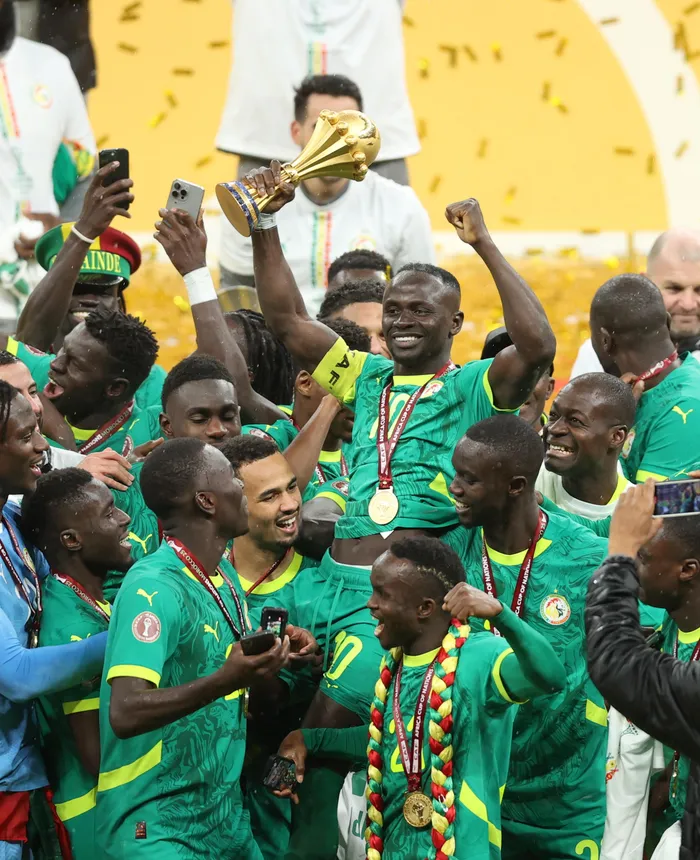
AFCON 2025 has come to an end, but the debate over its legacy is just beginning. While the football was world-class, allegations of "uneven playing fields" and security oversights in Rabat have left a bitter taste for teams like Senegal and Bafana Bafana. Photo: Backpagepix
Image: Backpagepix
As Morocco basks in the afterglow of hosting the Africa Cup of Nations, dark clouds of controversy loom large as contrasting views emerge over the tournament's success.
Before Sunday's final, this iteration of the showpiece event was touted as the most successful tournament in history. Nonetheless, a swirl of controversy has sparked intense debate over Morocco's fair-play capacity.
The dual narratives of celebration and condemnation highlight the inherent complexities of international sports organisations, revealing a clash between optimism and stark realities.
Initially, the sentiments expressed by CAF President Patrice Motsepe painted a rosy picture of Morocco's infrastructural prowess and organisational skills.
Sitting comfortably amid the euphoria of record revenues and high-quality football, Motsepe described Morocco as setting "a new benchmark for future tournaments."
His enthusiastic praise of the nation's resolve to host CAF events, even amidst financial worries faced by other member nations, resonated with optimism about Moroccan football's potential. However, the jubilation quickly turned sour after a distressing final, marred by chaotic scenes that prompted sharp criticism from Fifa president Gianni Infantino.
His condemnation of the events that unfolded post-match, labelled as "unacceptable," starkly contrasted with Motsepe's optimistic proclamations, leading many to question whether Morocco's celebrated success was indeed as straightforward as it appeared.
The discourse surrounding AFCON extends beyond the dichotomy of success or failure.
On the eve of Sunday's Senegal, the country expressed grave concerns about conditions, including accommodation hiccups — though swiftly rectified — and significant security oversights upon arrival in the capital, Rabat.
CAF missed an opportunity to hold Morocco accountable for creating an uneven playing field for their rivals, Senegal. Those unsatisfactory arrangements could have definitely been a huge demoralising factor as they headed into the final. It's crucial to ensure fairness in such exciting competitions!
CAF should have taken Morocco to task for placing Senegal, their rivals, at a disadvantage through unsatisfactory arrangements that would have been very demoralising during the final.
South Africa's national team, Bafana Bafana, was not exempt from logistical turmoil either, particularly regarding their training venue arrangements for the Round of 16.
CAF's explanation cited a five-month grace period for lodging complaints, which called into question the organisation's preparedness and strategic foresight during its planning phases.
Such issues exemplify the logistical challenges that continue to dog international tournaments and raise pressing questions about the efficacy of Moroccan-rich infrastructure amidst operational misunderstandings.
As the dust settles on AFCON in Morocco, the tournament's repercussions are likely to echo through future international competitions, notably the 2026 World Cup.
Organising committees will be keen observers, meticulously analysing logistics — especially for African teams — to ensure that the disarray experienced during this year's tournament does not tarnish their preparations.
In light of recent turmoil, the reflective question lingers: Can Morocco's hosting claim to be a true success, or have the shadows of recent events dimmed the once-bright narrative of its historic achievement?