

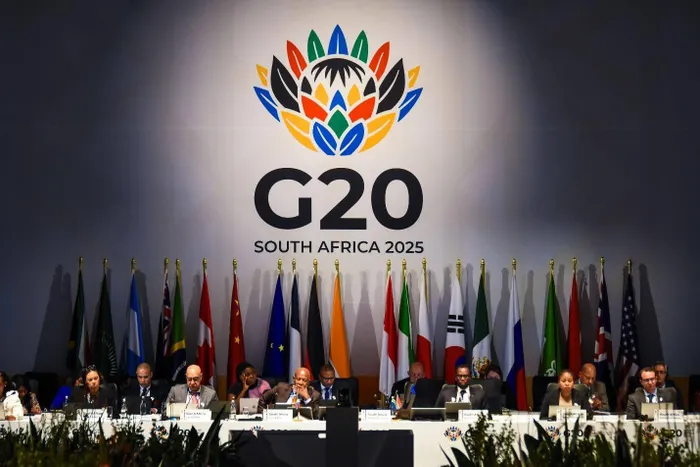
Several roads around Gauteng will be impacted by the G20 event taking place this weekend.
Image: Supplied
By Michael Andisile Mayalo
In the weeks leading up to major international events such as the G20 Summit, cities across the world often undergo a dramatic transformation. Roads are resurfaced overnight, streetlights are fixed, garbage is cleared, and flowers suddenly bloom along pavements that were previously neglected.
Officials rush to beautify and clean, contractors work overtime, and communities witness an unusual level of efficiency and urgency. Yet, the question remains: why does it take the arrival of global leaders for governments to remember the importance of service delivery? True service delivery is not a seasonal event or a public relations exercise; it is a fundamental responsibility of governance. When a government’s commitment to its people depends on international attention, it exposes a troubling disconnect between leadership and citizen needs.
For many residents, especially those living outside the spotlight of city centers or tourist routes, service delivery is inconsistent and often nonexistent. Potholes, water shortages, electricity outages, and uncollected waste are part of daily life.
Yet, when an event like the G20 is announced, the same areas suddenly experience miracles of maintenance and management. It’s as if the system only remembers how to function when the world is watching. This “event-based governance” undermines the very essence of public service. Citizens deserve consistent, quality services, not cosmetic clean-ups for visiting dignitaries. When roads are patched only because a motorcade is expected to pass, or when informal settlements are hidden behind screens to create a false image of prosperity, leadership betrays the principles of accountability and equity.
The purpose of service delivery is not to impress foreign delegations but to improve residents' quality of life every single day. Reliable access to water, sanitation, healthcare, education, and infrastructure forms the backbone of a functioning society. Neglecting these services until a major event is on the calendar suggests that citizens’ needs are secondary to international appearances. Moreover, such short-term fixes rarely address the root causes of poor service delivery. Painting over cracks or cleaning streets for a week does not solve structural inefficiencies, corruption, or lack of maintenance planning.
When the dignitaries leave and the cameras are turned off, communities often return to the same conditions as before: broken systems, unfulfilled promises, and forgotten projects. Governments must move away from reactive governance toward proactive, people-centred planning. This means establishing sustainable maintenance programs, transparent budgeting, and community participation in decision-making. Service delivery should be driven by data and long-term priorities, not by political calendars. For example, if a city can mobilise resources to ensure an uninterrupted water supply during the G20, it proves that the capacity exists. The challenge, therefore, is not lack of ability but lack of consistent will.
Citizens, too, have a crucial role to play. Civic engagement, through community forums, ward committees, and watchdog initiatives, can hold local authorities accountable beyond major events. Public pressure, when sustained, forces systems to operate continuously rather than intermittently. The power of active citizenship lies in demanding that the same energy devoted to impressing international guests be applied to serving local communities. It’s also important to recognise that genuine development cannot be staged. A clean, efficient, and inclusive city is not created overnight. It is built through years of consistent investment in infrastructure, public services, and social welfare. When governments treat service delivery as a publicity tool, they neglect the long-term foundations that make a society resilient and prosperous.
Hosting international summits like the G20 can indeed inspire improvements, but those improvements should be permanent. The focus should be on leaving a lasting legacy for citizens, not just a temporary façade for visitors. The pride of a nation should come not from how well it hosts the world, but from how well it serves its own people. Ultimately, service delivery reflects leadership values. Leaders who prioritise daily efficiency over occasional spectacle demonstrate respect for the dignity of their citizens. A pothole fixed for a motorcade means nothing if the same road remains unsafe for schoolchildren the next day. Real progress is measured in consistency, not ceremony. As the spotlight fades after the G20, governments should not let their renewed vigor fade with it. The energy, coordination, and urgency that go into preparing for international guests should be sustained year-round. The people deserve more than pretence; they deserve performance - every single day.
Mayalo is an independent writer, and the views expressed here are not necessarily those of Independent Media