

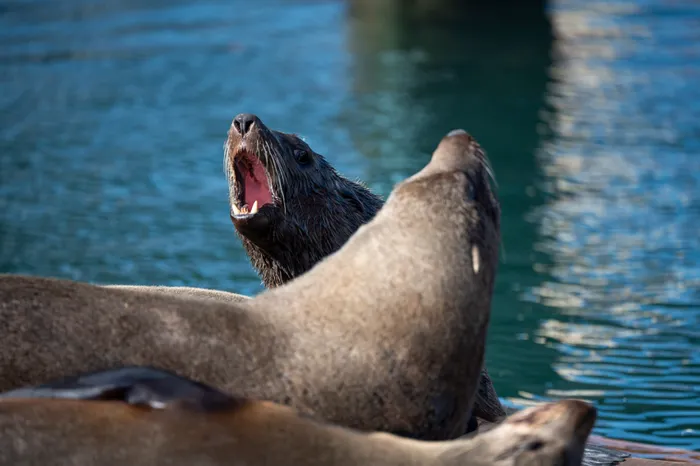
The Department of Agriculture has issued an alert about high-risk rabies areas in South Africa where the disease occurs in dogs, Cape fur seals and other mammals.
Image: ARMAND HOUGH Independent Newspapers
The Department of Agriculture has issued a warning regarding high-risk rabies areas in South Africa. Here’s what you need to know to stay safe.
Rabies is a deadly viral disease that affects all mammals, primarily spread through bites, scratches, and licks of infected animals.
It directly impacts the brain and is fatal once clinical signs appear. Vaccination of animals and prompt medical care for exposed individuals are essential for prevention.
In 2025, there have been reported human fatalities linked to rabies transmitted by dogs in KwaZulu-Natal, Eastern Cape, and Limpopo. The public is strongly advised to avoid contact with stray animals and report any suspected rabid animals to appropriate authorities.
Rabies has become endemic in the Cape fur seal population, with some cases detected along Cape beaches. Seals can transmit various diseases to humans and may cause physical harm with their sharp teeth, emphasising the need for a safe distance, particularly from seal pups.
Signs of rabies in animals include abnormal behaviours such as excessive drooling, paralysis, difficulty swallowing, constant vocalisation, aggression, or weakness. All mammals, including dogs, cats, and even livestock, are susceptible to rabies infection.
Rabies is present in all nine provinces, with the highest risks from dogs located in KwaZulu-Natal, Eastern Cape, and Limpopo. Cape fur seals contribute to the risk along the Northern and Western Cape coastlines.
Immediately wash any wounds from suspected rabid animals with soap and running water for at least 15 minutes, then seek medical attention at a clinic or hospital promptly to reduce the risk of rabies infection.
Vaccination against rabies for all dogs and cats is legally required and crucial for their safety. Keep pets on leashes during walks to minimise contact with strays and wildlife. When travelling, ensure pets are up-to-date with their rabies vaccinations and bring their vaccination records.
IOL