

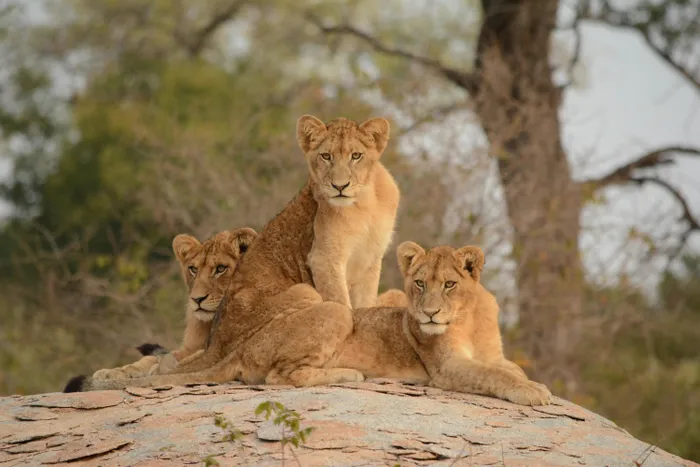
Lion cubs relaxing on a rock at Kruger National Park.
Image: Unsplash
Safari travel is one of the biggest attractions for tourism on the African continent.
The safari travel market in Africa is a multi-billion-dollar industry, estimated to be worth over $16 billion in 2023, with projections for significant growth.
Wildlife tourism is a major revenue generator, and the demand for African safaris continues to rise.
To ensure an unforgettable experience, you must understand both the timing and the destination of your safari, says Sam Wenger, the travel expert behind RefinedRoutes.
When planning an African safari, many travellers first consult weather charts and migration calendars.
However, there are several key factors to consider. Wenger highlights three main seasons to understand Africa’s safari calendar:
The dry season, spanning from May to October, is considered the high season for safari travel in much of Southern and East Africa. This period, particularly June through September, is characterised by dry weather, which makes wildlife spotting easier as vegetation thins.
In East Africa, this season coincides with the northern Serengeti and Maasai Mara phases of the Great Migration, including the dramatic river crossings.
In southern Africa, the Okavango Delta floods during this time, creating a unique wildlife experience.
The green season, from November to March, brings lush landscapes and vibrant scenery as rains return. While some travellers assume that this season compromises game viewing, Wenger notes that it can be quite the opposite.
With fewer crowds, richer scenery, and wildlife moments shaped by new life, the green season can be one of the most rewarding times to go on safari.
The shoulder season refers to the transition months between the peak dry season and the onset of more frequent rains, typically from April to June and October to early December.
During this time, conditions remain excellent for wildlife viewing, lodges are open, and wildlife activity continues without the intensity and price tag of peak travel.
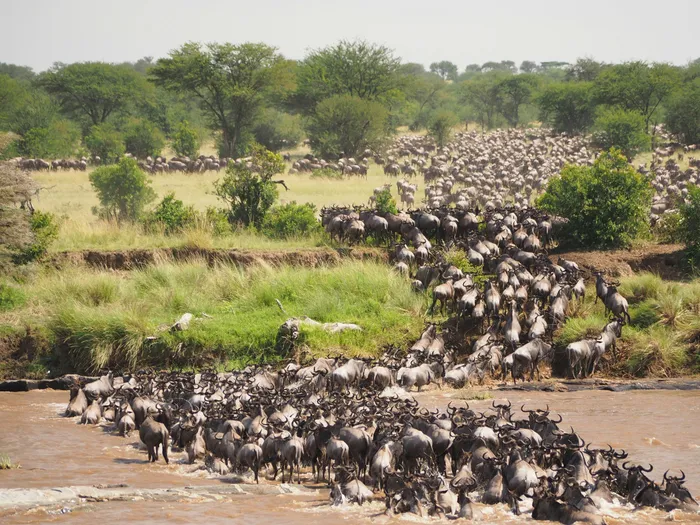
Great wildebeest migration crossing Mara river at Serengeti National Park - Tanzania.
Image: Unsplash
Now that you know when to travel, let’s explore some of the top safari destinations across the continent:
Serengeti National Park (Tanzania)
The Serengeti National Park is a premier safari destination, famous for hosting the annual Great Migration of over 1.5 million wildebeest and zebras.
As a Unesco World Heritage Site, it offers year-round game viewing, including the Big Five - lions, leopards, elephants, buffalo, and rhinos.
Visitors can witness the dramatic spectacle of the Great Migration, including perilous river crossings, and enjoy exceptional predator-prey sightings in the central Seronera Valley.
Masai Mara National Reserve (Kenya)
The Masai Mara National Reserve is renowned for its year-round exceptional game viewing and the dramatic Great Migration from July to October.
Its open savanna plains allow for easy spotting of the Big Five and offer unique experiences like hot-air ballooning and walking safaris.
The Mara is famous for its high density of lions, cheetahs, and leopards, providing some of the best opportunities to witness hunting scenes.
Kruger National Park (South Africa)
Kruger National Park is celebrated for its immense biodiversity and high density of Big Five animals.
It offers unparalleled accessibility through self-drive routes or guided tours, catering to all budgets.
Visitors can experience guided walking safaris and night drives, making it an excellent choice for both first-time visitors and seasoned safari-goers.
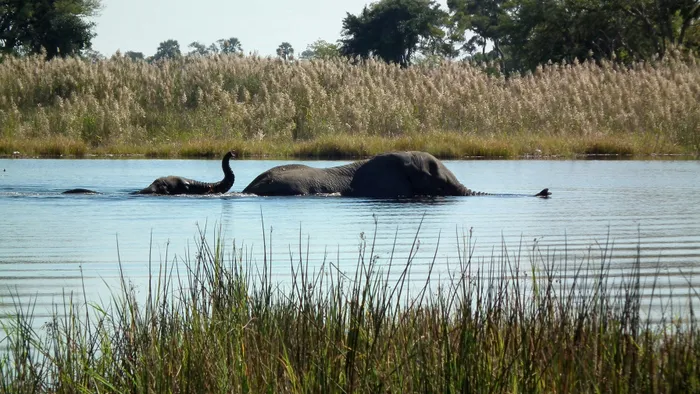
An elephant with its calf crossing water near to Pom Pom Camp, Okavango Delta, Botswana.
Image: Unsplash
Okavango Delta (Botswana)
The Okavango Delta is a unique inland oasis where water-based and land-based game viewing collide.
Visitors can explore the Delta by mokoro (traditional canoe) and boat, offering a unique perspective of wildlife.
The Delta attracts massive wildlife concentrations, including endangered wild dogs and large elephant herds, making it a birdwatcher's paradise with over 450 species.
Etosha National Park (Namibia)
Etosha National Park is famous for its massive salt pan and exceptional dry-season game viewing.
During the dry season, wildlife gathers at floodlit waterholes, making game viewing effortless.
The park is home to one of the largest populations of endangered black rhinos and offers easy self-drive safaris, making it ideal for independent travellers.