

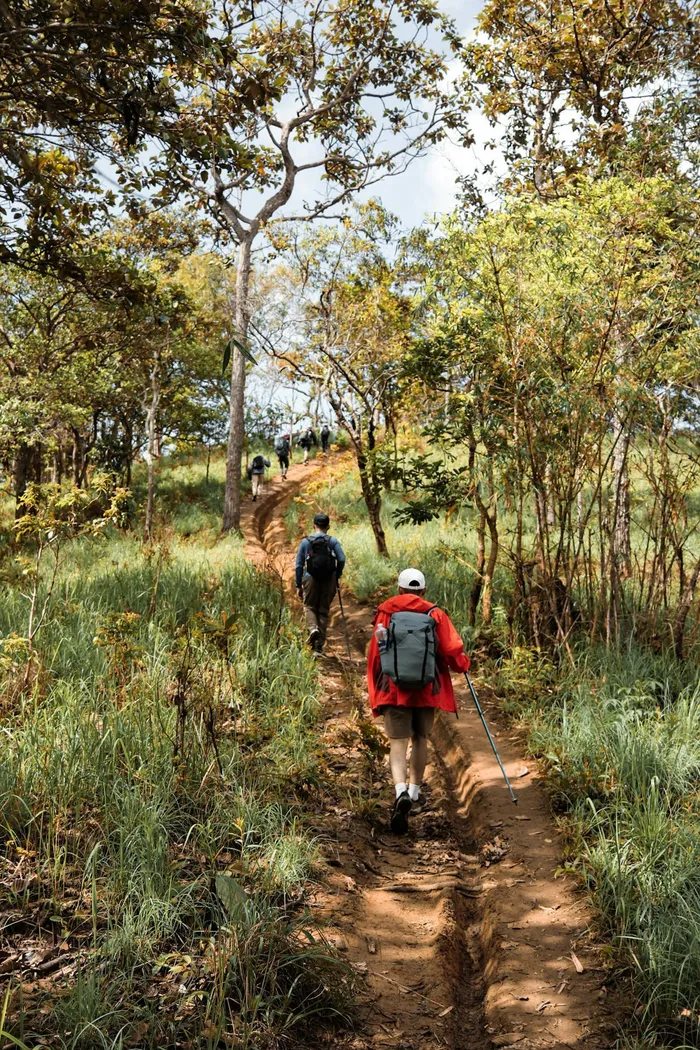
If you enjoy challenging hikes, there are a few options in SA worth checking out.
Image: Pexels/ Tường Chopper
A highly rated activity in South Africa is hiking.
Mzansi, boasting over 1,000 registered trails, is a globally recognised, world-class hiking destination. And it is favoured by locals and tourists alike.
While short day trips offer considerable mental, physical, and social benefits, in addition to scenic views, those seeking more challenging experiences often increase the difficulty by opting for more strenuous terrain for their adventures.
If you are more of the latter ilk, the following options will be more suited to your pace:
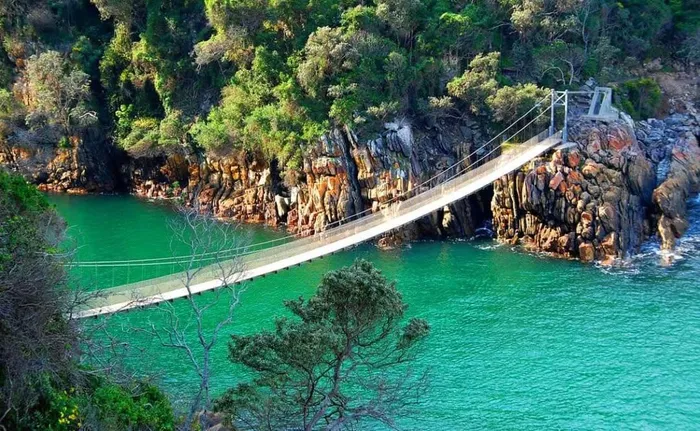
Widely regarded as a quintessential "bucket list" experience, The Otter Trail is South Africa's oldest and most iconic hiking route.
Image: Mavros Safaris
My friend tackled this incredible 5-day hike a few years ago, a real test of endurance, and he returned absolutely energised. While a 42km to 45km trek along the Garden Route's coastline isn't my personal cup of tea, it's certainly the ultimate adventure for any backpacker.
Imagine soaking up the views of Storms River Mouth to Nature’s Valley in Tsitsikamma National Park, while navigating what is considered one of the world’s finest coastal hikes.
Bear in mind, it tests you with its rugged terrain, sharp climbs, and river crossings. But that is what you sign up for.
Excellent physical condition is a prerequisite for anyone considering this hike. Given that only 12 spots are available daily, booking and meticulous planning are essential; securing a reservation a year ahead is highly recommended.
Overnight hut stays offer a welcome reprieve for hikers.
Crucially, when tackling the rides and rivers, particularly the Bloukrans River crossing on day 4, hikers must carefully track the high and low tides.
As South Africa's oldest and most iconic hiking route, this trail is widely regarded as a quintessential "bucket list" experience.
The ideal time for swimming in the ocean and rock pools is from October to April, when temperatures are higher. However, May through September offer cooler temperatures, which are perfect for hiking and also bring a lower chance of rain.
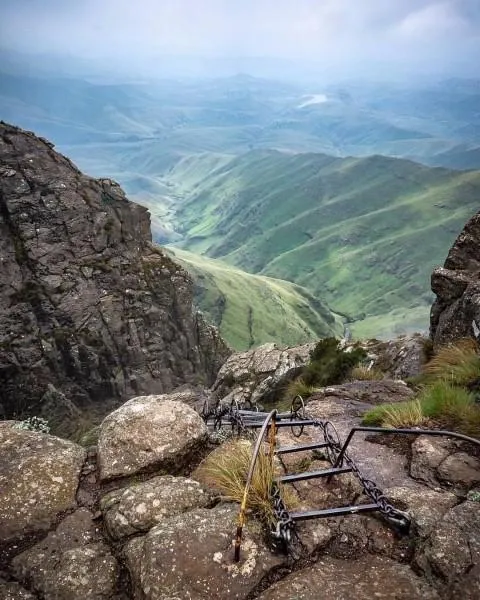
The Drakensberg Grand Traverse (DGT) has no set route and is largely off-trail. It is intended only for the fit and very experienced.
Image: Drakensberg Hikes
This trail is at least three times more taxing than the previous one.
Spanning 220km to 240km, this challenging, unsupported hike takes 12 to 15 days to complete. The route covers South Africa's highest peaks, beginning at Sentinel Peak and concluding at Bushman's Nek.
Known as a "peak-bagging" route, the journey involves navigating 3,000m of unmarked trails. The terrain is demanding, with the remote wilderness serving as your sole companion.
For those who have decided on this trail as a benchmark goal, rest is going to be crucial.
You have several options available for accommodation on your hike. You can choose to camp in tents in designated dispersed areas or sleep in natural caves found along the escarpment.
Alternatively, consider booking overnight stays near prominent locations such as the Tugela Falls, Bilanji Falls, Cathedral Peak, Giant's Castle and Lotheni Pass.
For ideal pre-hike accommodation, consider Witsieshoek Mountain Lodge or camping at Sterkfontein Dam. The Sani Mountain Lodge is an excellent choice for a break mid-way through the trip.
Of course, research is crucial when preparing for this course. Since there are no established trail markings, GPS and physical maps are non-negotiables.
Cell service is unavailable, and the weather is subject to sudden changes, including thunderstorms and fog.
To lighten your load and simplify logistics, especially the challenge of carrying multiple days' worth of food, it's advisable to hire a guide or service for food drops and other necessary arrangements.
A hiking permit is necessary and can be acquired from the park offices.
The best time for this hike is considered to be between April and May, offering excellent visibility and mild temperatures. Alternatively, September to October is an option, though hikers should be aware that it is more susceptible to windy conditions.
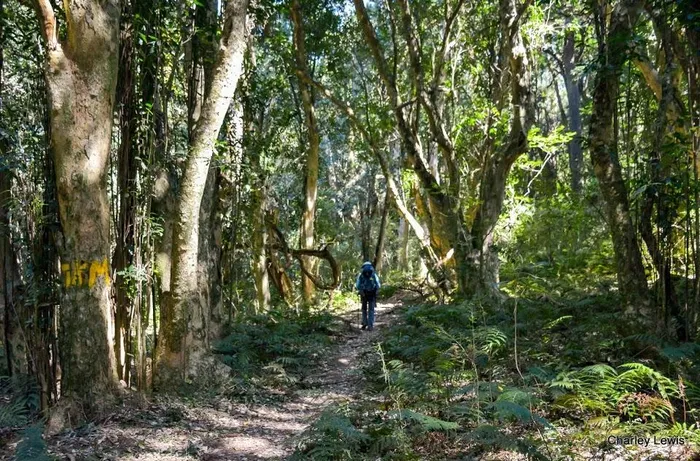
The six-day Amatola Hiking Trail, widely considered the nation's most challenging, is located in the Eastern Cape.
Image: Amatolatrails.co.za
If you can't handle a serious challenge, this one isn't for you. Touted as the nation's most challenging, this six-day hiking trail is situated in the Eastern Cape. Each day will see you hike for close to 10 hours, sometimes a little longer.
It runs from Maden Dam to Hogsback, involves steep climbs and deep gorges. Of course, you are surrounded by pristine forests and myriad waterfalls, which makes it pretty picturesque.
I mean, the panoramic views will blow your mind.
There are several accommodation options on this route, which are basic overnight huts in Gwili Gwili, Dontsa, Cata, Mnyameni and Zingcuka.
A word of caution, though, although seasoned hikers know this, the unpredictable weather, heavy rainfall and mist compound the journey.
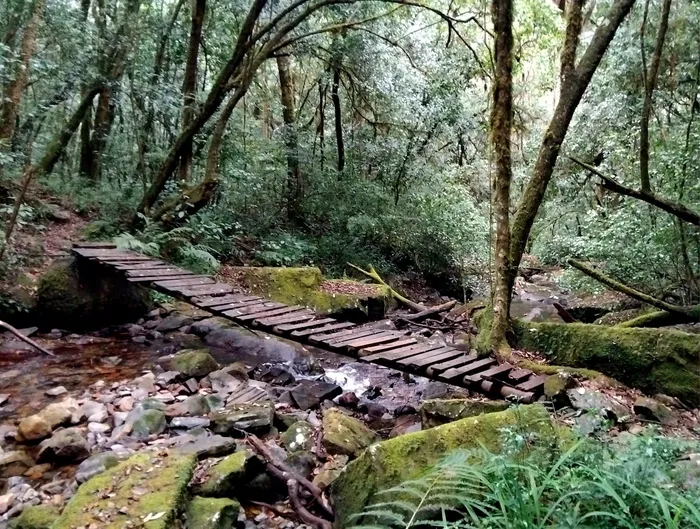
The Fanie Botha Trail presents a moderate-to-difficult challenge.
Image: Facebook/ Voets Toets Hiking
Of the trails mentioned in this article, this one is probably the simplest option. So if you want to build that endurance, it’s a good starting point.
Starting from either the Ceylon, Graskop, or President Burger Huts, this trail offers options for two to five days of hiking. It is located in the Sabie region of Mpumalanga.
The trail presents a moderate-to-difficult challenge, characterised by steep ascents and descents, as well as essential river crossings. Hikers can find overnight accommodation at several basic huts in Ceylon, Maritzbos, Stables, Mac Mac, President Burger and Graskop.
Visitors will be treated to breathtaking views, including the scenic Lone Creek and Mac Mac Waterfalls.
For the best experience, plan your visit between March and May or September and October. This timing helps hikers avoid the discomfort of extreme heat or cold.
You will need to get a permit, and this can be arranged via a booking office; there are slackpacking options for hikers not wanting to lug around full backpacks.
Just do your research first. And happy hiking!