

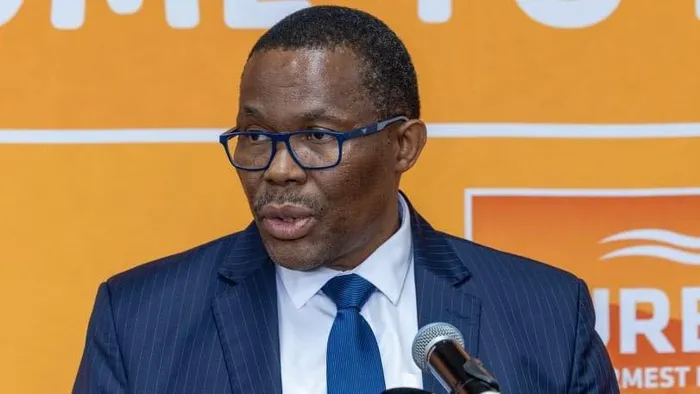
eThekwini mayor Cyril Xaba has written letters to the water and electricity ministers to raise concern over tariff hikes the municipality has to pay to bulk water supplier uMngeni-uThukela and bulk electricity supplier Eskom.
Image: Supplied by Durban Tourism
The eThekwini Municipality is gearing up to challenge the bulk water and electricity tariff hikes that are proposed for this financial year. The City says these hikes would ultimately lead to unaffordable municipal tariffs for ratepayers.
The City has written letters to the water and electricity ministers to raise concern over tariff hikes the municipality has to pay to bulk water supplier uMngeni-uThukela and bulk electricity supplier Eskom. The municipality has to factor in these bulk tariff charges when they work out the proposed tariff increases for ratepayers.
The municipality's draft budget for the 2026-2027 financial year shows proposed tariff increases of 15% for residential water (16% for businesses) and 10.5% for electricity. Ratepayers have rejected the proposed tariff increases. The budget is out for public comment, and if passed, the tariffs will come into effect on July 1.
In a letter to the Minister of Water and Sanitation, Pemmy Majodina, Xaba said the water tariffs need to be reconsidered, especially in light of the fact that the water boards supplying the water are performing well financially.
“While we recognise the strategic importance of ensuring long-term water security and infrastructure investment, it is our considered view that the proposed tariff increase is neither affordable nor justified, particularly considering the strong financial position and performance of uMngeni-uThukela Water,” said the mayor in a statement. He highlighted that among the challenges the increase poses are affordability for ratepayers and municipal financial sustainability.
“The current economic environment places significant strain on consumers and municipalities alike. Municipalities across KwaZulu-Natal are facing significant fiscal constraints due to rising electricity costs, infrastructure backlogs, declining revenue collection rates, and increasing service delivery demands.
“To ensure predictability and support municipal financial planning, we propose that tariff increases be capped at CPI for the next three financial years. This will enable the municipality to implement its turnaround strategy, improve collection rates, and reduce NRW, ultimately strengthening the sustainability of both institutions,” stated the mayor's letter.
Addressing the Ministry of Electricity, the mayor said the tariffs are causing hardship and threatening the municipality’s ability to collect from ratepayers.
“Eskom is not feeling the pain of collections from the municipality's customers, which is reflected in the city collection rate, as the municipality’s Eskom account is up to date.
“While we acknowledge the operational and financial pressures facing Eskom as a national utility, the scale of the annual tariff adjustments is placing an unsustainable burden on households, small businesses, and the broader economy within eThekwini.
“The municipality is currently consulting communities on the 2026/27 municipal budget in line with the MFMA, and communities are overwhelmingly rejecting our electricity tariff increase, which is based on the Eskom increase of 9.01%, on the basis that the tariff is way above inflation, as was the case in the previous financial year.
“Our municipality is already grappling with significant socio-economic challenges, including high unemployment, poverty, and inequality. In this context, escalating electricity costs are not merely an economic issue; they are rapidly becoming a humanitarian concern. Many residents are now forced to make untenable choices between electricity, food, transport, and other basic necessities.”
He detailed the threats posed, pointing out that small and medium enterprises, which are critical to job creation in the city, are similarly constrained.
Rising energy input costs are eroding their competitiveness, forcing retrenchments and, in some cases, business closures. This undermines both local economic recovery and broader national growth objectives.
“We are also increasingly concerned about the unintended consequences of rising tariffs, including increased electricity theft and illegal connections due to affordability constraints, declining municipal revenue collection,” said the mayor.
For more stories from The Mercury, click the link THE MERCURY