

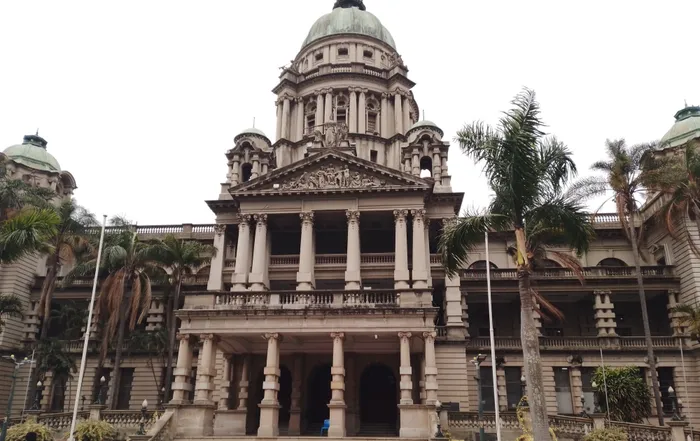
eThekwini Municipality's electricity unit is grappling with declining revenue due to low economic growth, vandalism, and a shift towards alternative energy sources.
Image: File
Low economic growth, vandalism of infrastructure, and the rise of alternative energy sources are eroding the revenue of eThekwini Municipality's electricity unit, putting its ability to deliver essential services at risk.
Senior managers in the municipality have raised concerns regarding the financial state of the municipality’s electricity unit amid worries about declining electricity sales.
Leshan Moodliar, deputy director of Energy Management: Customer and Retail Services in the City, highlighted these concerns during an engagement on one of the city’s online platforms. He addressed residents on the work being done to reform trading services within the municipality, which includes water and electricity.

Leshan Moodliar, the deputy director of the eThekwini Municipality's Energy Management Directorate.
Image: eThekwini Municipality
The National Treasury is driving trading services reform strategies to ensure that these services in all municipalities perform better. Moodliar discussed the changes being experienced by the unit, stating that declining sales are affecting revenue generation.
“There are a lot of changes in the electricity supply industry, and it is time that we also make changes in terms of how we operate,” he said.
“What we need to highlight is that we, as the energy management directorate, are currently seeing a significant drop in sales. If ten years ago we were growing at almost 4 percent a year, today there is actually zero growth or even negative growth. We are seeing a decline in our sales, and as a result, we are experiencing a decline in our revenue. When there is a decline in sales, there is an automatic decline in revenue, which affects our ability to generate surpluses.”
Moodliar further explained, “When you combine all of that together, we find that we are investing less and less in service delivery projects. Consequently, we will see a deterioration in those projects and service delivery.”
Municipality’s Marketing and Communications Director, Mandla Nsele, explained the causes of the drop in sales: “The decline in sales within the Energy Management Directorate is primarily attributed to low economic growth. Additional contributing factors include theft and vandalism, as well as customer migration to alternative energy technologies.”
City councillors described this situation as serious.
IFP councillor Jonathan Annipen said the recent indication that electricity sales are stagnant is a matter of serious fiscal concern. "Electricity revenue remains one of the most critical income streams for municipalities, and any stagnation or decline directly undermines financial sustainability and service delivery capacity.”
“While some may attribute declining sales to the rise of renewable energy, particularly rooftop solar, this is not the primary driver. The findings of the Auditor-General of South Africa have consistently highlighted that municipalities are losing substantial revenue due to non-technical losses, including electricity theft, illegal connections, faulty or bypassed meters, and weak billing systems. In many instances, electricity is consumed but not billed, or billed inaccurately, resulting in significant revenue leakage.”
For more stories from The Mercury, click the link THE MERCURY